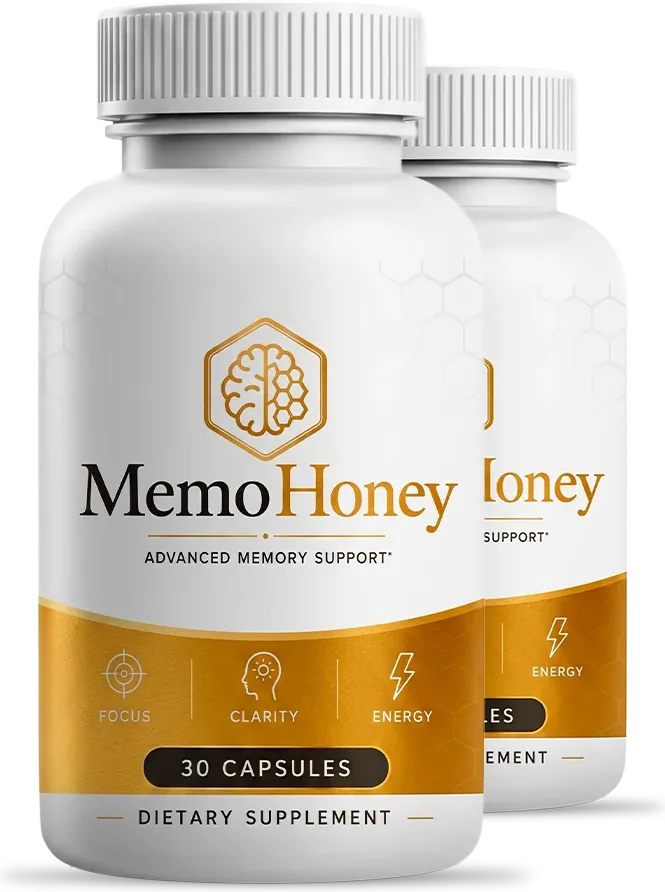
MemoHoney Capsules for brain fog is a question we cannot answer with product evidence, because we found no study of MemoHoney itself and the NIH sources we cite do not rate its ingredients for memory or focus12.
"Brain fog" is an everyday phrase for forgetful or unclear thinking, not a label doctors use for one condition. NIA lists many causes of memory problems, and many of them have a fix once a doctor finds the cause3. That is why this post looks at causes first and the bottle second.
Our memory page covers what the label and NIH sources say about memory, and the warning signs page covers when to see a doctor. We are an independent information site.
01What causes foggy thinking, according to NIA?
NIA lists many causes of memory problems, and several have a fix once a doctor finds them3.
| Cause NIA lists | Who can check it |
|---|---|
| Medicine side effects | Your pharmacist or prescriber3 |
| Depression and anxiety | Your doctor |
| Sleep problems | Your doctor; see also NIA's sleep advice4 |
| Low vitamin B12 and poor diet | Your doctor, with a blood test if they advise one |
| Thyroid, kidney or liver problems | Your doctor |
| Alcohol misuse and head injury | Your doctor |
NIA also notes that memory problems do not always mean Alzheimer's disease, and that a doctor can check5. The point is simple: there is a list of things to rule out, and a bottle is not on it.
Many of these causes have nothing to do with age. A person in their twenties can be short of sleep, anxious or taking a medicine that clouds thinking, so the list is worth running through whatever your age.
02What do NCCIH and NIH say about supplements and memory?
NCCIH says supplements are often marketed for memory, and that there is no direct evidence that any supplement lowers the chance of Alzheimer's disease or dementia2.
NCCIH also says not to delay seeing a provider about memory loss. That advice covers foggy thinking that keeps coming back.
On the panel, the NIH sources we cite describe arginine, citrulline and beta-alanine mainly in studies of exercise, and arginine in blood-vessel uses16.
Niacin and calcium are described as nutrients78. None of these sources rates the ingredients for memory or focus.
The front label reads "ADVANCED MEMORY SUPPORT*", which is the seller's wording. The FDA does not approve such claims9. We do not say the capsules do anything for fog, focus or clarity.
The plain reading of those pages is modest. They describe research on certain supplements and note that results have been mixed or limited, and they do not single out the ingredients on this label as proven for thinking skills. Our own arithmetic cannot change that, and the label does not claim otherwise beyond its printed marketing words.
03What can you check before trying any supplement?
Check your sleep, your medicines, your mood and your daily habits first, because each can affect how clearly you think.
- Sleep: NIA says older adults need about 7 to 9 hours, and poor sleep can bring memory problems and forgetfulness4.
- Medicines: ask a pharmacist whether any medicine you take lists fogginess or forgetfulness as a side effect10.
- Mood: low mood and worry can cloud thinking, and a doctor can help with both3.
- Habits: NIA's list covers physical activity, healthy eating, sleep and staying socially and mentally active11.
Note when the fog is worst, what you ate, how you slept and what you took. A short written diary gives your doctor something concrete to work from. Dates matter, because NIA's advice turns on how long a problem lasts. A note such as a bad week after a new medicine, or after several short nights, is exactly what a doctor wants to hear. Please do not change or stop any medicine yourself on the basis of that diary.
04When should foggy thinking go to a doctor first?
See a doctor first if the changes are noticeable, if they make daily life harder, or if they last more than a few weeks3.
NIA draws a line between the occasional slip and a pattern. Losing things from time to time is common. Misplacing things often and being unable to find them is worth a visit. Sometimes forgetting a word is common, while trouble holding a conversation is worth a visit3.
Bring a family member if you can. They may have noticed changes you have not, and they can help you remember what was said at the visit. Our who it is for page also lists who should speak to a physician before starting any supplement.
It helps to arrive with notes. Write down when the foggy spells happen, how long they last, what else changed that week, and every medicine and supplement you take, including doses. A relative or friend who sees you often can add what they have noticed. A doctor can then look at sleep, mood, other health conditions and medicines before anyone guesses at a cause. Bring the bottle, or a photo of the Supplement Facts panel12, so the doctor can read the real amounts instead of relying on memory.
05Which cautions apply if you still want to ask about the capsules?
Bring the bottle to a doctor or pharmacist first, because the label tells anyone with a known medical condition to consult a physician12.
The label lists seven lines per capsule, with a serving of one capsule a day, and says not to exceed it12. MedlinePlus lists cautions for L-arginine: a recent heart attack, kidney disease, planned surgery and interactions with blood pressure medicines, blood thinners, sildenafil, diabetes medicines and potassium-sparing diuretics6.
Our safety page sets these out, and our focus page covers the label's "FOCUS" icon. If you feel unwell, report it through FDA MedWatch13.
Safety: MemoHoney is sold for adults. Its label lists L-arginine, L-citrulline, beta-alanine, niacin and calcium, and says that pregnant or nursing women, anyone under 18 and anyone with a known medical condition should consult a physician first. Ask your doctor or pharmacist before use if you had a recent heart attack, take blood pressure medicine, a blood thinner or any other medicine, have kidney disease or have surgery planned. Never change a prescribed medicine on your own. Memory changes that worry you deserve a doctor visit first, because many causes can be found and dealt with.
Frequently asked questions
Can MemoHoney Capsules clear brain fog?
We cannot say that. We found no study of MemoHoney itself, and NCCIH says there is no direct evidence that supplements lower the chance of dementia.
What should I check before using MemoHoney Capsules for brain fog?
Check sleep, medicines, mood and diet with a doctor first. NIA lists these among many treatable causes of memory problems.
When is brain fog a reason to skip MemoHoney Capsules and see a doctor?
When changes are noticeable, hurt daily life or last more than a few weeks, per NIA. See a doctor first, then ask about any supplement.
Does the MEMORY SUPPORT label on MemoHoney Capsules mean it works?
No. "ADVANCED MEMORY SUPPORT*" is the seller's wording, and the FDA does not approve such claims. We do not say the capsules do anything.