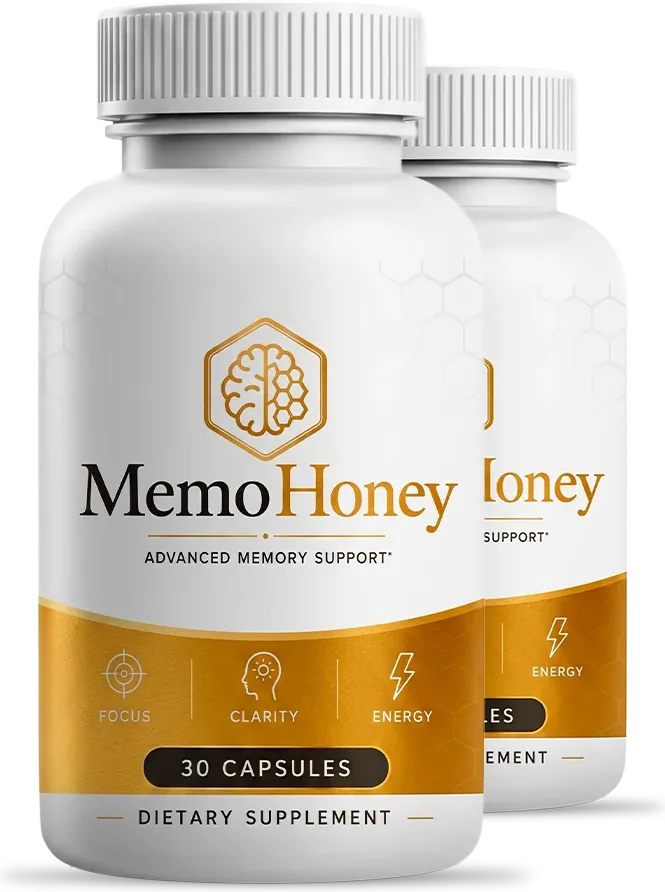
Niacin in MemoHoney Capsules is listed as 7.5 mg NE per capsule, which the panel shows as 47% of the Daily Value1. Niacin is vitamin B3, a nutrient everyone needs from food each day.
This page explains the unit NE, how 7.5 mg compares with daily needs and the upper limit, what flushing is and why the form of niacin matters, where niacin comes from in food, and which medicines to ask about. We are an independent information site. We describe niacin as a nutrient; we do not say the niacin in this product does anything, and we found no published study of MemoHoney itself.
01How Much Niacin Is in MemoHoney Capsules?
MemoHoney Capsules list 7.5 mg NE of niacin per one-capsule serving, at 47% of the Daily Value1. Over a 30-capsule bottle, that is 225 mg NE by our arithmetic.
NE stands for niacin equivalents. It is the standard unit for this vitamin, because the body can also make niacin from tryptophan, an amino acid in protein foods. Using one unit lets labels and fact sheets compare amounts fairly.
The 47% figure comes from comparing 7.5 mg with the 16 mg Daily Value used on labels. By our arithmetic, 7.5 divided by 16 is about 46.9%, which rounds to the 47% printed on the panel. The label and the math agree here.
The panel does not say which form of niacin is used, nicotinic acid or nicotinamide. That gap matters for one reason, flushing, which a later section covers. See the full panel on our ingredients page.
02What Does 47% DV Mean for MemoHoney Capsules Niacin?
The 47% DV for MemoHoney Capsules niacin means one capsule gives just under half of the 16 mg NE reference amount FDA uses on labels. It is a comparison, not a recommendation.
FDA explains that %DV shows how much a serving adds to a daily diet, measured against a fixed reference figure2. As a rough rule, 5% DV or less is often described as low and 20% DV or more as high for a nutrient. By that guide, 47% is a large share for one nutrient from one serving.
Your own need may differ from the Daily Value. NIH lists these Recommended Dietary Allowances for adults3:
| Group | RDA per day | 7.5 mg NE as a share (our arithmetic) |
|---|---|---|
| Adult men | 16 mg NE | About 47% |
| Adult women | 14 mg NE | About 54% |
| Pregnancy | 18 mg NE | About 42% |
| Lactation | 17 mg NE | About 44% |
Most adults in the US get enough niacin from food alone. The panel amount comes on top of whatever your meals already supply.
03How Does MemoHoney Capsules Niacin Compare With the Upper Limit?
The 7.5 mg NE of niacin in MemoHoney Capsules is about 21% of the 35 mg adult upper limit from supplements and fortified foods, by our arithmetic. The limit covers all such sources together.
NIH sets the Tolerable Upper Intake Level for adults at 35 mg a day3. Three details are worth knowing:
- The limit counts niacin from supplements and fortified foods, not niacin that occurs naturally in ordinary foods.
- It applies to both forms, nicotinic acid and nicotinamide.
- It does not apply to people taking niacin under medical supervision, where a doctor sets the amount.
One capsule on its own is well under that line. The question is what else you take. The next section shows how to add it up.
04Should You Add MemoHoney Capsules Niacin to a Multivitamin Total?
Yes, add the niacin in MemoHoney Capsules to any multivitamin, B-complex or fortified cereal you use, because the 35 mg upper limit counts all of them together.
Niacin turns up in many places: multivitamins, B-complex products, energy drinks, protein bars and fortified breakfast cereals. Each one may look small, but the amounts stack.
- Find the niacin line on each label and note the mg NE per serving.
- Multiply by the servings you take or eat each day.
- Add 7.5 mg NE for one MemoHoney capsule.
- Compare the total with 35 mg, and show the list to your pharmacist.
If your doctor has prescribed niacin, tell them about this product before you start. Niacin given as a medicine is in a different category, and the upper limit does not apply to it. Never change, skip or stop a prescribed medicine on your own. Our medications page covers the whole panel.
05Can MemoHoney Capsules Niacin Cause Flushing?
The panel does not name the niacin form in MemoHoney Capsules, so we cannot say for sure. NIH notes that flushing usually starts at about 30 to 50 mg or more of nicotinic acid.
Flushing is warmth, redness, itching or tingling of the skin, most often on the face, arms and chest. NIH describes it as the best-known effect of larger amounts of nicotinic acid3. Nicotinamide, the other form, does not cause flushing4.
By our arithmetic, 7.5 mg is about a quarter of the 30 mg low end of that range. That does not promise you will never notice warmth; people differ, and other products you take may add niacin. If you do notice flushing, rash or anything that worries you, call your doctor or pharmacist.
If you want certainty about the form, ask the order desk for the maker's specification in writing. Our side effects page covers every panel line.
06Where Does Niacin Come From Besides MemoHoney Capsules?
Most niacin people take in comes from ordinary food, not from MemoHoney Capsules or any other supplement. Poultry, beef and fish are rich sources; nuts, legumes and grains add smaller amounts.
NIH says poultry, beef and fish supply about 5 to 10 mg a serving, and nuts, legumes and grains about 2 to 5 mg4. Some examples from the NIH fact sheet3:
| Food | Serving | Niacin |
|---|---|---|
| Chicken breast | 3 oz | 10.3 mg |
| Salmon | 3 oz | 8.6 mg |
| Brown rice | 1 cup | 5.2 mg |
| Peanuts | 1 oz | 4.2 mg |
| For comparison: one MemoHoney capsule (label) | 1 capsule | 7.5 mg NE |
So a chicken sandwich can hold more niacin than one capsule. That is not a reason to take or skip the product; it simply shows the scale.
For older adults with a small appetite, or anyone on a restricted diet, food intake can be lower than usual. If that applies to you, a doctor or dietitian can tell you whether your diet covers your needs before you add any supplement. That conversation is more useful than guessing from a label.
07Is There Research on the Niacin in MemoHoney Capsules?
We found no published study of MemoHoney Capsules, so there is no research on its niacin as part of this product. What NIH offers is general information about niacin as a nutrient.
The NIH fact sheets cover daily needs, food sources, the upper limit, flushing and interactions34. They do not rate niacin supplements for memory in people who already get enough. The label does not explain why niacin is on the panel, and we do not guess at the maker's reasons.
It helps to keep three ideas apart:
- Need: everyone needs niacin, and most people meet that need through food.
- Deficiency: a serious lack causes real illness, and correcting it is a job for a doctor.
- Extra: taking more than you need is not the same as getting more benefit, and the upper limit exists for a reason.
When you read a product page that mentions vitamin B3, ask which of these three it is talking about. Most marketing blurs them. Our how it works page looks at what can and cannot be said about the whole formula.
08Which Medicines and Conditions Matter With MemoHoney Capsules Niacin?
NIH lists tuberculosis medicines and, for high-dose nicotinic acid, diabetes medicines among niacin interactions, so ask a pharmacist before using MemoHoney Capsules with either.
- Tuberculosis medicines: isoniazid and pyrazinamide can affect how the body handles niacin3.
- Diabetes medicines: high-dose nicotinic acid can raise blood glucose in people taking them.
- Liver disease: tell your doctor before any product with niacin.
Remember that the same capsule lists arginine and citrulline, which carry their own interaction list. Your pharmacist can look at the whole panel at once.
Severe niacin deficiency, called pellagra, can include memory loss among its signs. That is about a serious lack of the vitamin, which is rare in the US. It is not evidence that extra niacin helps memory in people who get enough. If memory changes worry you, a doctor visit comes first. Our memory page and safety page explain why.
Bench card
Supplement Facts, line by line
This is the panel printed on the label photo. Tap a line to see what it is, how much one capsule holds, and how that amount compares with figures from NIH sources.
Supplement Facts
Serving Size: 1 Capsule
Servings Per Container: 30
| Ingredient | Amount Per Serving | %DV |
|---|---|---|
| Niacin | 7.5 mg NE | 47% |
| Calcium (as Calcium Carbonate) | 18 mg | 1.5% |
| L-Arginine (base) | 200 mg | ** |
| L-Arginine AKG 2:1 Extract | 200 mg | ** |
| L-Citrulline HCl | 100 mg | ** |
| L-Citrulline Malate | 100 mg | ** |
| Beta Alanine | 40 mg | ** |
** Daily Value (DV) not established.
Other ingredients: Hypromellose (vegetable capsule), vegetable stearate, silicon dioxide.
Vitamin
Niacin
7.5 mg NE per capsule
Vitamin B3. The label does not say which form (nicotinic acid or nicotinamide).
Adult RDA 16 mg NE for men and 14 for women; adult upper limit 35 mg a day from supplements and fortified foods (NIH ODS).
47% of 16 mg Daily Value (our arithmetic)
Panel transcribed from the label photo supplied by the site owner. Comparisons are our arithmetic from NIH figures; they say nothing about what one capsule does for you, and no study of MemoHoney exists that we could find.
Tally card
Niacin tally: one capsule plus everything else you take
NIH sets an adult upper limit of 35 mg a day for niacin from supplements and fortified foods. Add the niacin printed on your other labels to see your total. Nothing leaves your device.
7.5 mg a day from supplements
One capsule alone is 7.5 mg, about 21% of the 35 mg upper limit (our arithmetic).
Upper limit from the NIH Office of Dietary Supplements. It does not apply to people taking niacin under a doctor's care. Flushing usually starts around 30–50 mg of nicotinic acid; the MemoHoney label does not say which form it uses.
Where the panel nutrients turn up in food
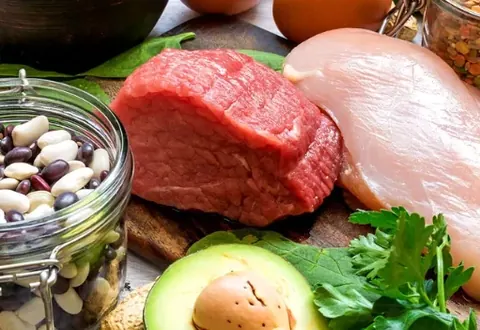
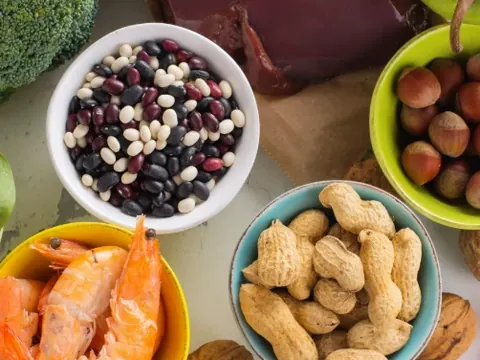
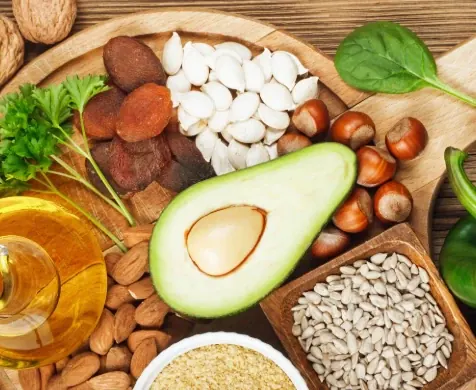
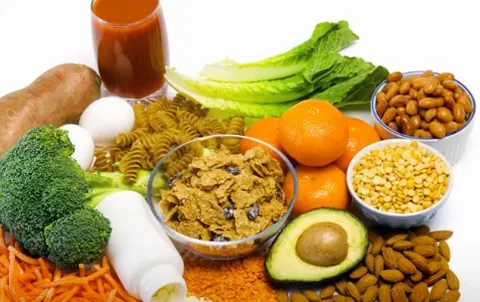
Food photos supplied with the seller's images. Figures from NIH sources describe foods in general, not MemoHoney.
Safety: MemoHoney is sold for adults. Its label lists L-arginine, L-citrulline, beta-alanine, niacin and calcium, and says that pregnant or nursing women, anyone under 18 and anyone with a known medical condition should consult a physician first. Ask your doctor or pharmacist before use if you had a recent heart attack, take blood pressure medicine, a blood thinner or any other medicine, have kidney disease or have surgery planned. Never change a prescribed medicine on your own. Memory changes that worry you deserve a doctor visit first, because many causes can be found and dealt with.
Frequently asked questions
What niacin amount does one MemoHoney capsule list?
The panel lists 7.5 mg NE of niacin per capsule, shown as 47% of the Daily Value. A 30-capsule bottle holds 225 mg NE by our arithmetic.
Why does the unnamed niacin form in MemoHoney matter for a flush?
We cannot say for sure because the panel does not name the form. NIH says flushing usually starts around 30 to 50 mg of nicotinic acid, and nicotinamide does not cause flushing.
Is the MemoHoney niacin the same as vitamin B3?
Yes. Niacin is vitamin B3, and the label gives the amount in niacin equivalents, or NE, the standard unit for this vitamin.
Why does the MemoHoney niacin line show 47% daily value?
The label compares 7.5 mg NE with the 16 mg Daily Value, and 7.5 divided by 16 is about 47%. It is a comparison with a reference figure, not a score.
Does the MemoHoney niacin amount go over the upper limit?
Not on its own: by our arithmetic, 7.5 mg NE is about 21% of the 35 mg adult upper limit. Other supplements and fortified foods count toward the same limit, so add them up.
Can I take MemoHoney with a multivitamin that has niacin?
Ask your pharmacist, and add the niacin from every supplement and fortified food you use. NIH sets the adult upper limit at 35 mg a day from those sources combined.