L-citrulline in MemoHoney Capsules appears on two panel lines, L-citrulline HCl 100 mg and L-citrulline malate 100 mg per capsule1. By our arithmetic, that is 200 mg of listed citrulline ingredients in each one-capsule serving.
This page covers what citrulline is, what HCl and malate mean, how the label amount sits next to the amounts NIH describes in studies, and why the arginine cautions are worth asking about too. We are an independent information site. We do not say citrulline in this product does anything, and we found no published study of MemoHoney itself.
01How Much L-Citrulline Is in MemoHoney Capsules?
MemoHoney Capsules list 100 mg of L-citrulline HCl and 100 mg of L-citrulline malate per capsule1, which adds up to 200 mg of listed citrulline ingredients by our arithmetic.
- Per capsule: 200 mg of listed citrulline ingredients (our arithmetic).
- Per bottle of 30 capsules: 6,000 mg, or 6 g (our arithmetic).
- %DV: not established, shown as a double asterisk on the panel.
Both lines are salt forms, so the weights on the panel are weights of compounds, not of pure citrulline. The label does not say how much citrulline itself each line holds, and we do not guess.
Citrulline sits beside two arginine lines on the same panel. If you want to see all seven lines together, our ingredients page has the full table.
02What Is L-Citrulline, the Amino Acid in MemoHoney Capsules?
L-citrulline, listed in MemoHoney Capsules, is a nonessential amino acid, which means the body can make it. It is also found in foods, with watermelon the best-known example2.
Nonessential does not mean unimportant. It only means you do not need to get it from food, because your body produces it. Watermelon is the food NIH names as a source, which is a useful reminder that citrulline is not an unusual substance.
The most important point for this page is what happens next. NIH notes that about 80% of citrulline is converted to arginine in the kidneys2. In other words, citrulline is a route by which the body makes more arginine.
That link is why the two ingredients are often discussed together, and why the questions you would ask about arginine also apply here. Our L-arginine page explains those questions in full.
03What Do HCl and Malate Mean on the MemoHoney Capsules Panel?
On the MemoHoney Capsules panel, HCl and malate name two salt forms of citrulline: citrulline bound with hydrochloride, and citrulline bound with malate, the salt form of malic acid.
Salt forms are common in supplements. Each one pairs the main ingredient with a partner compound, and the weight printed on the label is the weight of the pair.
| Panel line | Per capsule | What the name means |
|---|---|---|
| L-Citrulline HCl | 100 mg | Citrulline with hydrochloride |
| L-Citrulline Malate | 100 mg | Citrulline with malate |
| Both lines together | 200 mg | Listed citrulline ingredients (our arithmetic) |
The label does not explain why two forms are used, and the maker's reasons are not in our materials. We do not know the ratio of citrulline to partner compound in either line, so we cannot say how much citrulline itself each capsule holds. If that matters to you, ask the order desk for the maker's specification in writing.
04How Does the MemoHoney Capsules Citrulline Amount Compare With Studies?
The 200 mg of citrulline ingredients in MemoHoney Capsules is about 15% of the lowest example amount in the NIH exercise fact sheet, 1.35 g a day, by our arithmetic.
NIH gives several examples of amounts used in studies2:
- 1.35 g a day for 6 weeks. The label's 200 mg is about 15% of that.
- 6 g a day for 4 weeks. The label's 200 mg is about 3% of that.
- 8 g of citrulline malate taken before exercise. The label's 100 mg malate line is 1/80 of that.
Those percentages are our arithmetic. They are not a judgement that the amount works or fails. They show that the research used much larger amounts, and for another purpose: exercise and athletic performance.
NIH also describes the research on citrulline as limited and conflicting2. Even in exercise, the area where it has been studied most, results do not agree. None of the sources we cite rates citrulline for memory, and no study of MemoHoney exists that we could find.
05What Safety Notes Apply to MemoHoney Capsules Citrulline?
NIH says the long-term safety of citrulline has not been adequately assessed, and stomach discomfort was reported in some study participants. Keep both points in mind with MemoHoney Capsules.
In one study NIH describes, 6 of 41 people reported stomach discomfort2. That study used far more citrulline than the label lists, so the figure is not a forecast for one capsule a day. It does tell you what to watch for.
- Take the capsule as the label says: one a day with an 8 oz glass of water1.
- Do not take more than one capsule a day; the label says not to exceed the recommended dose.
- If your stomach is upset or anything else feels wrong, call your doctor.
- You can report a problem to FDA through MedWatch3.
The label also says pregnant or nursing mothers, children under 18 and anyone with a known medical condition should consult a physician before use. Our side effects page covers every panel line.
06Why Do MemoHoney Capsules Citrulline Questions Lead Back to Arginine?
Because most citrulline becomes arginine in the body, the arginine cautions from MedlinePlus are worth raising for the citrulline in MemoHoney Capsules too. Ask about both together.
MedlinePlus lists these arginine cautions and interactions4:
- Do not take arginine after a recent heart attack.
- Arginine can lower blood pressure, and it may raise potassium in kidney disease.
- Stop arginine at least 2 weeks before scheduled surgery; ask your surgeon.
- Interactions include blood pressure medicines, diabetes medicines, blood thinners, sildenafil and potassium-sparing diuretics.
MedlinePlus writes these for arginine, not citrulline, and we cannot say how they apply to 200 mg of citrulline ingredients. Your pharmacist can weigh the whole panel, since the same capsule also lists 400 mg of arginine ingredients. That combined view is more useful than looking at each line on its own. Do not change, skip or stop any medicine on your own. Our medications page goes into more detail.
07What If You Already Use Another Product With Citrulline Besides MemoHoney Capsules?
If you already take a workout powder, a drink mix or another supplement that lists citrulline or arginine, add those amounts to the MemoHoney Capsules panel before you start. The totals are what matter.
Citrulline and arginine show up in many products sold for exercise, because that is where most of the research sits2. People sometimes take two or three such products without noticing the overlap. Reading every label side by side is a simple habit that avoids surprises.
- Gather every bottle and tub you take, including powders and drinks.
- Write down each line that names citrulline, citrulline malate or arginine, with its amount per serving.
- Multiply by the servings you actually take each day.
- Add the MemoHoney figures: 200 mg of citrulline ingredients and 400 mg of arginine ingredients per capsule.
- Show the list to your pharmacist, together with your medicines.
This is not about hitting any particular number. It is about giving your pharmacist a complete picture, so any advice fits what you really take. Supplements are not approved by FDA before they are sold, and some interact with medicines5. Bring the real bottles if you can, rather than a list from memory.
08Is MemoHoney Capsules Citrulline Linked to Memory or Nitric Oxide?
No source we cite links citrulline in MemoHoney Capsules to memory. NIH discusses citrulline in exercise research, and its link to nitric oxide runs through arginine.
The body turns arginine into nitric oxide, which widens blood vessels4. Marketing for many products draws a line from there to the brain. We do not. A pathway in the body is not evidence that a 200 mg serving changes anything in a person.
If memory changes are what brought you here, please see a doctor first. Many causes can be found and managed, from medicine side effects to sleep problems. Our nitric oxide page and memory page explain what NIH and NCCIH say.
Bench card
Supplement Facts, line by line
This is the panel printed on the label photo. Tap a line to see what it is, how much one capsule holds, and how that amount compares with figures from NIH sources.
Supplement Facts
Serving Size: 1 Capsule
Servings Per Container: 30
| Ingredient | Amount Per Serving | %DV |
|---|---|---|
| Niacin | 7.5 mg NE | 47% |
| Calcium (as Calcium Carbonate) | 18 mg | 1.5% |
| L-Arginine (base) | 200 mg | ** |
| L-Arginine AKG 2:1 Extract | 200 mg | ** |
| L-Citrulline HCl | 100 mg | ** |
| L-Citrulline Malate | 100 mg | ** |
| Beta Alanine | 40 mg | ** |
** Daily Value (DV) not established.
Other ingredients: Hypromellose (vegetable capsule), vegetable stearate, silicon dioxide.
Amino acid
L-Citrulline HCl
100 mg per capsule
Citrulline as a hydrochloride salt. Citrulline is found in watermelon; the kidneys turn about 80% of it into arginine.
Studied amounts ranged from 1.35 g a day to 8 g before exercise; research is limited and conflicting (NIH ODS).
7% of 1,350 mg, lowest studied example (our arithmetic)
Panel transcribed from the label photo supplied by the site owner. Comparisons are our arithmetic from NIH figures; they say nothing about what one capsule does for you, and no study of MemoHoney exists that we could find.
Against studied amounts and Daily Values, niacin is the only line near half; the amino acids sit at 20% or less.
Where the panel nutrients turn up in food
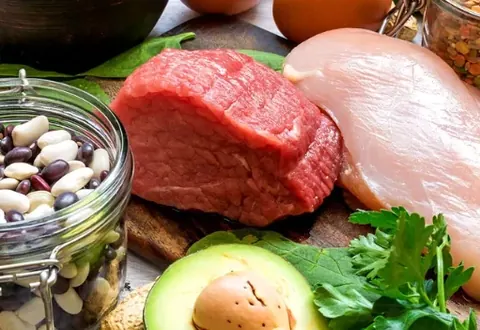
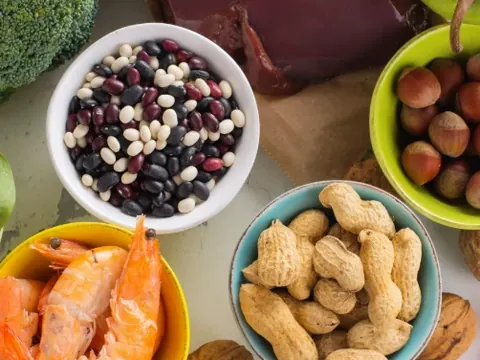
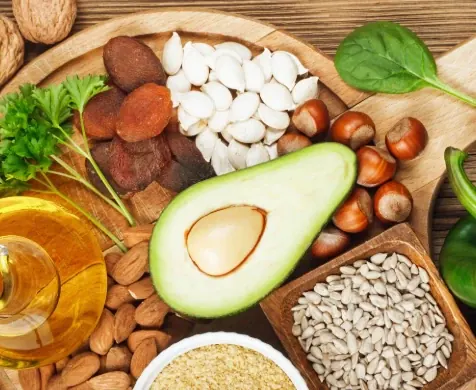
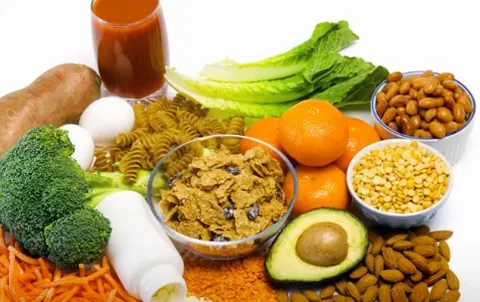
Food photos supplied with the seller's images. Figures from NIH sources describe foods in general, not MemoHoney.
Bench card
Before-you-start checker
Tick what applies. You get a short list of notes and questions to take to your doctor or pharmacist, drawn from the label and NIH sources. Nothing leaves your device.
Your notes
- Tick what applies to you. With nothing ticked, start here: compare your bottle's panel with the seven lines on our label photo before the first capsule.
These notes repeat cautions from the label, MedlinePlus, NIH ODS, NIA and NCCIH pages cited on this site. They are not medical advice and do not replace your doctor or pharmacist.
Safety: MemoHoney is sold for adults. Its label lists L-arginine, L-citrulline, beta-alanine, niacin and calcium, and says that pregnant or nursing women, anyone under 18 and anyone with a known medical condition should consult a physician first. Ask your doctor or pharmacist before use if you had a recent heart attack, take blood pressure medicine, a blood thinner or any other medicine, have kidney disease or have surgery planned. Never change a prescribed medicine on your own. Memory changes that worry you deserve a doctor visit first, because many causes can be found and dealt with.
Frequently asked questions
What weight of L-citrulline does the MemoHoney panel print?
The panel lists 100 mg of L-citrulline HCl and 100 mg of L-citrulline malate, or 200 mg of listed citrulline ingredients by our arithmetic. Both are salt forms, so the weights include a partner compound.
What is the citrulline malate line in MemoHoney?
It names citrulline bound with malate, the salt form of malic acid, at 100 mg per capsule. The label does not say how much of that weight is citrulline itself.
Does MemoHoney citrulline have reported side effects?
NIH notes stomach discomfort in 6 of 41 people in one study that used much larger amounts, and says long-term safety has not been adequately assessed. Call your doctor if anything feels wrong.
How are MemoHoney citrulline and arginine related?
NIH says about 80% of citrulline is converted to arginine in the kidneys. That is why the arginine cautions from MedlinePlus are worth asking your doctor or pharmacist about.
What does HCl mean on the MemoHoney citrulline line?
HCl stands for hydrochloride, a salt form paired with citrulline, and the 100 mg is the weight of the pair. The label does not say how much of it is citrulline itself.
Is the MemoHoney citrulline amount close to studied amounts?
No. By our arithmetic, 200 mg is about 15% of the lowest NIH example, 1.35 g a day, and those studies were about exercise. We found no study of MemoHoney itself.