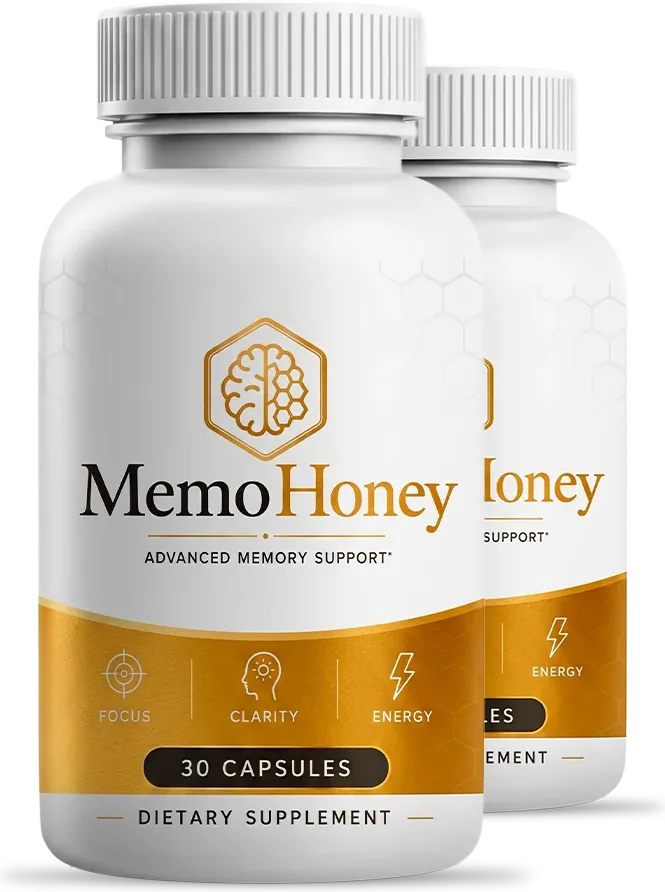
L-arginine in MemoHoney Capsules appears on two panel lines: L-arginine (base) 200 mg and L-arginine AKG 2:1 extract 200 mg per capsule1. Together they are the largest share of the panel by weight.
This page explains what arginine is, what the AKG line means in plain terms, how the label amount compares with the amounts NIH describes in studies, and which cautions MedlinePlus lists. We are an independent information site. We do not say arginine in this product does anything for memory or anything else, and we found no published study of MemoHoney itself.
01How Much L-Arginine Is in MemoHoney Capsules?
MemoHoney Capsules list 200 mg of L-arginine (base) and 200 mg of L-arginine AKG 2:1 extract in each one-capsule serving1. By our arithmetic, that is 400 mg of listed arginine ingredients.
The word "ingredients" matters. The base line is arginine on its own. The AKG line is a compound, so its 200 mg is not 200 mg of arginine itself. The real arginine content of that line is lower than 200 mg, and the label does not say by how much.
- Per capsule: 400 mg of listed arginine ingredients (our arithmetic).
- Per bottle of 30 capsules: 12,000 mg, or 12 g (our arithmetic).
- %DV: not established, shown as a double asterisk on the panel.
The label's directions are one capsule a day, and its caution says not to exceed that dose. You can see the full panel on our ingredients page.
02What Is L-Arginine, the Amino Acid in MemoHoney Capsules?
L-arginine, listed on the MemoHoney Capsules panel, is an amino acid found in everyday foods such as red meat, poultry, fish and dairy2. Your body also makes some on its own.
NIH notes that a typical diet supplies about 4 to 5 g of arginine a day2. By our arithmetic, 400 mg of listed arginine ingredients is about 8% to 10% of that dietary range. A single serving of meat or fish is a normal part of where most people's arginine comes from.
The body uses arginine to make nitric oxide, a molecule that widens blood vessels3. That blood-vessel role is why arginine is often discussed for heart and circulation topics, and it is also why it carries cautions for people on blood pressure medicines.
It is worth being clear about what this does not mean. Knowing the body turns arginine into nitric oxide is not evidence that a 400 mg capsule changes anything in a person. Our nitric oxide page explains that topic without product claims.
03What Does AKG Mean on the MemoHoney Capsules L-Arginine Line?
AKG on the MemoHoney Capsules panel stands for alpha-ketoglutarate, so "L-Arginine AKG 2:1 Extract" names arginine joined with that compound. The 200 mg is the weight of the whole compound.
Think of it like a weight printed for a filled jar rather than for its contents alone. The panel gives the total, not the share that is arginine.
The label does not explain the 2:1 figure, and we have no maker's documents that do. So we do not guess how much arginine that line delivers. If the exact amount matters to you, for example because your doctor wants a precise figure, ask the order desk for the maker's details in writing.
This is also why we always write "400 mg of listed arginine ingredients" and never "400 mg of arginine". It is a small wording choice, but it keeps the numbers honest.
04How Does the MemoHoney Capsules Arginine Amount Compare With Studies?
The 400 mg of arginine ingredients in MemoHoney Capsules is one fifth of the 2 g low end of the amounts used in studies, by our arithmetic. Most studies used far more.
| Figure | Amount | Source |
|---|---|---|
| Listed arginine ingredients per capsule | 400 mg | Label (our addition of two lines) |
| Typical arginine from the diet | 4 to 5 g a day | NIH ODS |
| Amounts mostly used in studies | 2 to 10 g a day | NIH ODS |
| Highest amounts studied, divided | Up to 20 g a day | NIH ODS |
| Amount that appears safe for several weeks | Up to 9 g a day | NIH ODS |
NIH describes those studies mainly in exercise and athletic performance2. At 9 to 30 g a day, reported side effects included diarrhea, nausea and slightly lower blood pressure2.
These comparisons are not a verdict on the product. They do not show that the label amount works or fails. They show scale, and they show that the research describes other uses and other doses. None of the sources we cite rates arginine for memory, and no study of MemoHoney exists that we could find.
05Who Should Ask About MemoHoney Capsules Arginine Before Starting?
If you had a recent heart attack, have low blood pressure or kidney disease, plan surgery, or are pregnant or nursing, ask a doctor about MemoHoney Capsules arginine first.
MedlinePlus lists arginine as possibly safe for short-term use and names these cautions3:
- Recent heart attack: MedlinePlus says not to take arginine after a recent heart attack, because of a possible higher risk of death, especially in older adults.
- Low blood pressure: arginine can lower blood pressure.
- Kidney disease: arginine may raise potassium levels.
- Surgery: MedlinePlus says to stop at least 2 weeks before scheduled surgery, because of blood pressure control. Ask your surgeon.
- Pregnancy: short-term use only; avoid long-term use.
- Breastfeeding: not enough information; avoid.
Side effects MedlinePlus mentions include stomach pain, bloating, diarrhea and low blood pressure. The label adds that pregnant or nursing mothers, anyone under 18 and anyone with a known medical condition should consult a physician1. Our safety page gathers these points for the whole panel.
06Which Medicines Matter With MemoHoney Capsules Arginine?
MedlinePlus says arginine can interact with blood pressure medicines, diabetes medicines, blood thinners, sildenafil and potassium-sparing diuretics, so ask a pharmacist before taking MemoHoney Capsules with any of them.
- Blood pressure medicines, including ACE inhibitors and angiotensin receptor blockers.
- Diabetes medicines.
- Blood thinners, both anticoagulant and antiplatelet types.
- Sildenafil and other medicines for erections.
- Potassium-sparing diuretics.
- Isoproterenol.
- Testosterone, listed as a minor interaction.
These come from the MedlinePlus arginine entry3. The amounts in those warnings are not tied to a 400 mg capsule, and we cannot say how much risk a small amount carries. That is exactly the question a pharmacist can answer for you.
NIA suggests keeping a list of every medicine and supplement you take and sharing it with your doctors and pharmacists4. Add MemoHoney to that list with its panel amounts. Do not change, skip or stop any medicine on your own. Our medications page covers the full panel.
07What Should You Ask a Doctor About MemoHoney Capsules Arginine?
Bring the MemoHoney Capsules bottle and ask your doctor or pharmacist whether 400 mg of listed arginine ingredients a day fits with your heart, kidneys and medicines. Short, specific questions get the clearest answers.
- Is arginine a concern with my blood pressure, heart history or kidney function?
- Do any of my medicines appear on the MedlinePlus interaction list?
- I also eat meat, fish or dairy most days; does the extra amount matter for me?
- If I have surgery or a procedure coming up, when should I tell the surgeon about this product?
- Which signs, such as dizziness or stomach upset, should make me call you?
Write the answers down. If you are an older adult seeing several doctors, make sure each one has the same up-to-date list of what you take, so no one is working from an old copy.
If anything unusual happens after you start a supplement, call your doctor about it, and you can also report the problem to FDA through MedWatch5. Keep the bottle so the lot details are at hand. Our side effects page describes what has been reported for each ingredient.
08Does MemoHoney Capsules Arginine Have Anything to Do With Memory?
No source we cite links arginine in MemoHoney Capsules, or arginine in general, to memory. NIH describes it mainly in exercise studies and blood-vessel uses.
Some marketing ties nitric oxide and blood flow to the brain. We do not make that leap. The research we can cite is about other uses, at amounts five to fifty times the label's arginine ingredients, by our arithmetic.
If you are reading about arginine because you have noticed changes in your memory, a doctor visit is the right first step. Many causes of memory change can be found and managed, such as medicine side effects, thyroid problems or low vitamin B12. Our memory page and warning signs page explain when to book that visit.
Bench card
Supplement Facts, line by line
This is the panel printed on the label photo. Tap a line to see what it is, how much one capsule holds, and how that amount compares with figures from NIH sources.
Supplement Facts
Serving Size: 1 Capsule
Servings Per Container: 30
| Ingredient | Amount Per Serving | %DV |
|---|---|---|
| Niacin | 7.5 mg NE | 47% |
| Calcium (as Calcium Carbonate) | 18 mg | 1.5% |
| L-Arginine (base) | 200 mg | ** |
| L-Arginine AKG 2:1 Extract | 200 mg | ** |
| L-Citrulline HCl | 100 mg | ** |
| L-Citrulline Malate | 100 mg | ** |
| Beta Alanine | 40 mg | ** |
** Daily Value (DV) not established.
Other ingredients: Hypromellose (vegetable capsule), vegetable stearate, silicon dioxide.
Amino acid
L-Arginine (base)
200 mg per capsule
An amino acid in meat, poultry, fish and dairy. The body turns it into nitric oxide.
Studies mostly used 2–10 g a day; up to 9 g a day for some weeks appears safe (NIH ODS). MedlinePlus lists heart, blood pressure and medicine cautions.
10% of 2,000 mg, low end of studied amounts (our arithmetic)
Panel transcribed from the label photo supplied by the site owner. Comparisons are our arithmetic from NIH figures; they say nothing about what one capsule does for you, and no study of MemoHoney exists that we could find.
Against studied amounts and Daily Values, niacin is the only line near half; the amino acids sit at 20% or less.
Where the panel nutrients turn up in food
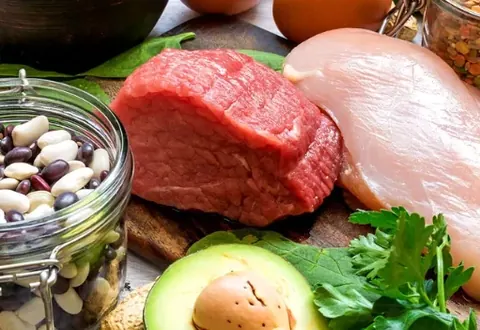

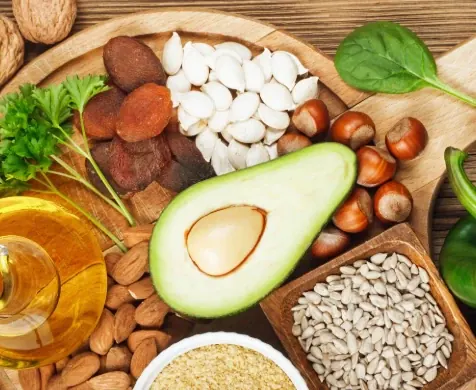
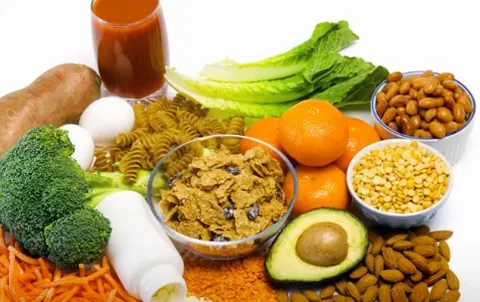
Food photos supplied with the seller's images. Figures from NIH sources describe foods in general, not MemoHoney.
Bench card
Before-you-start checker
Tick what applies. You get a short list of notes and questions to take to your doctor or pharmacist, drawn from the label and NIH sources. Nothing leaves your device.
Your notes
- Tick what applies to you. With nothing ticked, start here: compare your bottle's panel with the seven lines on our label photo before the first capsule.
These notes repeat cautions from the label, MedlinePlus, NIH ODS, NIA and NCCIH pages cited on this site. They are not medical advice and do not replace your doctor or pharmacist.
Safety: MemoHoney is sold for adults. Its label lists L-arginine, L-citrulline, beta-alanine, niacin and calcium, and says that pregnant or nursing women, anyone under 18 and anyone with a known medical condition should consult a physician first. Ask your doctor or pharmacist before use if you had a recent heart attack, take blood pressure medicine, a blood thinner or any other medicine, have kidney disease or have surgery planned. Never change a prescribed medicine on your own. Memory changes that worry you deserve a doctor visit first, because many causes can be found and dealt with.
Frequently asked questions
Why does MemoHoney list arginine on two separate lines?
The panel lists 200 mg of L-arginine (base) and 200 mg of L-arginine AKG 2:1 extract, which is 400 mg of listed arginine ingredients by our arithmetic. The AKG line is a compound, so it is not 200 mg of arginine itself.
Is the L-arginine in MemoHoney the same as in food?
The base line is the same amino acid found in red meat, poultry, fish and dairy. NIH says a typical diet already supplies about 4 to 5 g a day.
Why is the MemoHoney arginine line flagged for people with low blood pressure?
MedlinePlus lists low blood pressure among arginine's side effects, and NIH notes slightly lower blood pressure at large amounts. If your blood pressure runs low or you feel dizzy easily, ask your doctor before the first capsule.
What does the MemoHoney arginine AKG line mean?
AKG is alpha-ketoglutarate, and the line names arginine joined with it. The 200 mg is the compound's weight, and the label does not explain the 2:1 figure.
Where does the MemoHoney arginine amount sit next to the NIH safety figure?
NIH says up to 9 g a day for several weeks appears safe, and studies mostly used 2 to 10 g. By our arithmetic, 400 mg of listed arginine ingredients is far below both, but your doctor should still check it against your health and medicines.
Should I avoid MemoHoney arginine after a heart attack?
MedlinePlus says not to take arginine after a recent heart attack because of a possible higher risk of death, especially in older adults. Talk with your cardiologist before taking any product that lists arginine.