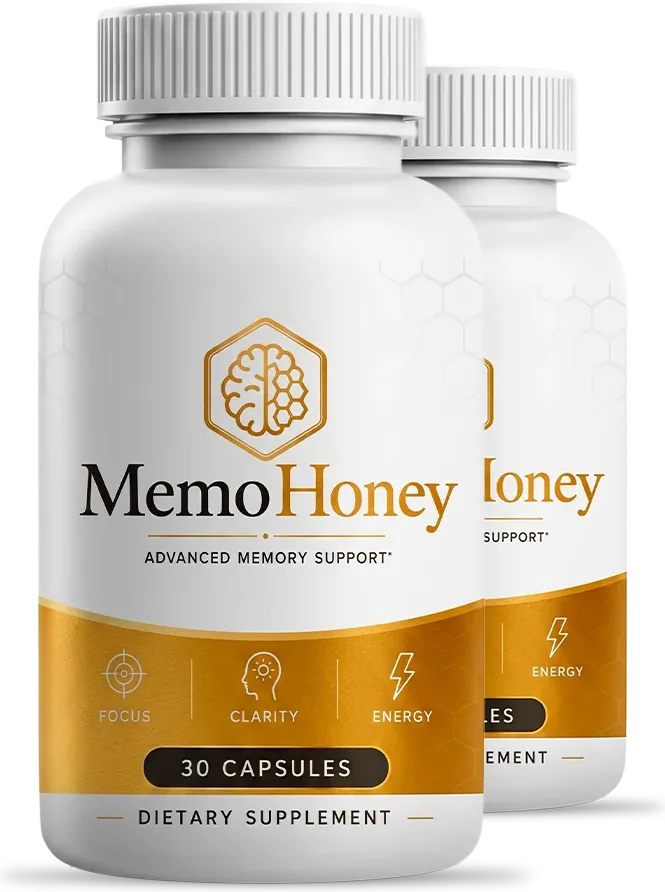
MemoHoney Capsules for students is mostly a question about age, because the label tells children under 18 to consult a physician and the owner's pack describes the product for adults 18 and over12.
Exam weeks make any promise of sharper focus tempting. We found no study of MemoHoney itself in students or anyone else, so this post sticks to what the label prints and what NIH sources say about the ingredients.
Our focus page covers the label's icon in detail, and the who it is for page covers all the groups told to check first. We are an independent information site, not a seller.
01Can students under 18 use MemoHoney Capsules?
Students under 18 should consult a physician before using MemoHoney Capsules, because the label's caution box says so for children under the age of 181.
The owner's pack describes the product for adults 18 and over2. The label also says to keep it out of reach of children, and not to exceed the recommended dose of one capsule a day1.
For a university student who is 18 or older, the other label cautions still apply. Anyone with a known medical condition, or who takes a daily medicine, should ask a doctor or pharmacist first. A campus health service can usually answer that question.
If you are a parent, please ask the physician before buying, not after. Bring the bottle or a photo of the panel, and mention any medicine your child takes.
Our how to use page shows the label's directions, which are written as one capsule a day with an 8 oz glass of water1.
02What does the FOCUS icon on the label mean?
The "FOCUS" icon is the seller's own wording on the front label, sitting next to "CLARITY" and "ENERGY" and under the line "ADVANCED MEMORY SUPPORT*"1.
The asterisk points to the FDA statement on the label. The FDA says claims like these must carry that statement, that they cannot claim to deal with a disease, and that the FDA does not approve them3. The FTC adds that health claims need competent and reliable scientific evidence4.
We do not say that MemoHoney does anything for focus, clarity or energy. We found no published study of the product, and our NIH sources do not rate its ingredients for those uses.
03What do the NIH sources study these ingredients for?
The NIH sources we cite study the panel's amino acids mainly for exercise, blood-vessel uses and nutrition, not for studying, memory or focus56.
| Panel line | Label amount | Where our sources discuss it |
|---|---|---|
| L-arginine (base) and AKG | 200 mg each | Exercise research and blood-vessel uses56 |
| L-citrulline HCl and malate | 100 mg each | Exercise research5 |
| Beta-alanine | 40 mg | Exercise research5 |
| Niacin, calcium | 7.5 mg NE, 18 mg | Nutrients with daily reference values78 |
Amounts come from the Supplement Facts panel1. Studied amounts of arginine were mostly 2 to 10 g a day. Our arithmetic puts the 400 mg of listed arginine ingredients at one fifth of the 2 g low end. That is a comparison, not a verdict, and no study of this product exists that we could find.
04Which habits do health sources link to thinking and memory?
NIA lists everyday habits for cognitive health, and none of them comes in a bottle9.
- Regular physical activity.
- Managing blood pressure.
- Healthy eating.
- Enough sleep.
- Staying socially and mentally active.
NIA's cognitive health page is written for older adults, so we read it as general guidance, not a student plan. Its sleep page, also for older adults, says poor sleep can bring memory problems and forgetfulness10. We found no student-specific figures in our sources.
If you often cannot concentrate, or forgetfulness is getting in the way of daily life, see a doctor or your school's health service. NIA names many treatable causes, from sleep problems to anxiety, depression and low vitamin B1211.
05What should a student or parent check before buying?
Check age, health, medicines and the label itself, in that order, before buying any supplement.
- Age: if under 18, ask a physician first, as the label says.
- Health: any known medical condition means asking a doctor first.
- Medicines: show your pharmacist the full list, including supplements.
- Label: read the whole Supplement Facts panel, not only the front.
NIH reminds readers that "natural" does not always mean safe, and the FDA does not approve supplements before they are sold12. Our safety page covers the full list of cautions.
Do not stack products. Several supplements together can add up in ways nobody has studied, and the FDA suggests checking with a provider before using any supplement13.
If you do decide to go ahead after that conversation, keep the receipt, store the bottle in a cool, dry place away from heat and light as the label says, and keep it where younger siblings cannot reach it1.
Safety: MemoHoney is sold for adults. Its label lists L-arginine, L-citrulline, beta-alanine, niacin and calcium, and says that pregnant or nursing women, anyone under 18 and anyone with a known medical condition should consult a physician first. Ask your doctor or pharmacist before use if you had a recent heart attack, take blood pressure medicine, a blood thinner or any other medicine, have kidney disease or have surgery planned. Never change a prescribed medicine on your own. Memory changes that worry you deserve a doctor visit first, because many causes can be found and dealt with.
Frequently asked questions
Can teenagers take MemoHoney Capsules?
Ask a physician first. The label tells children under the age of 18 to consult one, and the owner's pack describes the product for adults 18 and over.
Will MemoHoney Capsules help me study for exams?
We cannot say that. We found no study of MemoHoney itself, and the NIH sources we cite do not rate its ingredients for studying or focus.
What does the FOCUS label on MemoHoney Capsules mean?
It is the seller's own wording, tied to the FDA statement on the label. The FDA does not approve such claims, and we do not say the capsules do anything.
Should students ask a doctor before using MemoHoney Capsules?
Yes if under 18, taking any medicine or living with a known medical condition. A campus health service or pharmacist can usually check the label for you.