A MemoHoney Capsules memory test on this site is not a diagnosis, and no quiz, before or after a supplement, can tell you why your memory has changed. Only a doctor can check that.
We found no study of MemoHoney itself, and the three testimonials in the owner's pack, which the seller supplied and we have not verified, report no memory or test result1. So there is no test score to compare against the bottle.
This post explains what a home quiz is, what a doctor visit adds and what to do if a score worries you. Our memory page covers the label wording, and the warning signs page goes deeper on what to watch for.
01Is an online memory test a diagnosis?
No. An online or app-based memory test is a snapshot of one day, not a diagnosis, and it cannot name a cause for any change you notice.
NIA says memory problems have many causes and do not always mean Alzheimer's disease, and that a doctor can check2. A quiz cannot do that work. It cannot ask about your medicines, your sleep or your mood.
Your score can also move for ordinary reasons: a poor night, a busy week, a new worry. A single low result is not a verdict, and a single good one is not an all-clear.
If a quiz leaves you uneasy, take that feeling as the useful part. It is a reason to book a visit, not a reason to buy anything.
02Why can't a memory test measure MemoHoney Capsules?
A memory test cannot measure MemoHoney Capsules because there is no study of the product that tells us what a score should do, and the label makes no promise about a result.
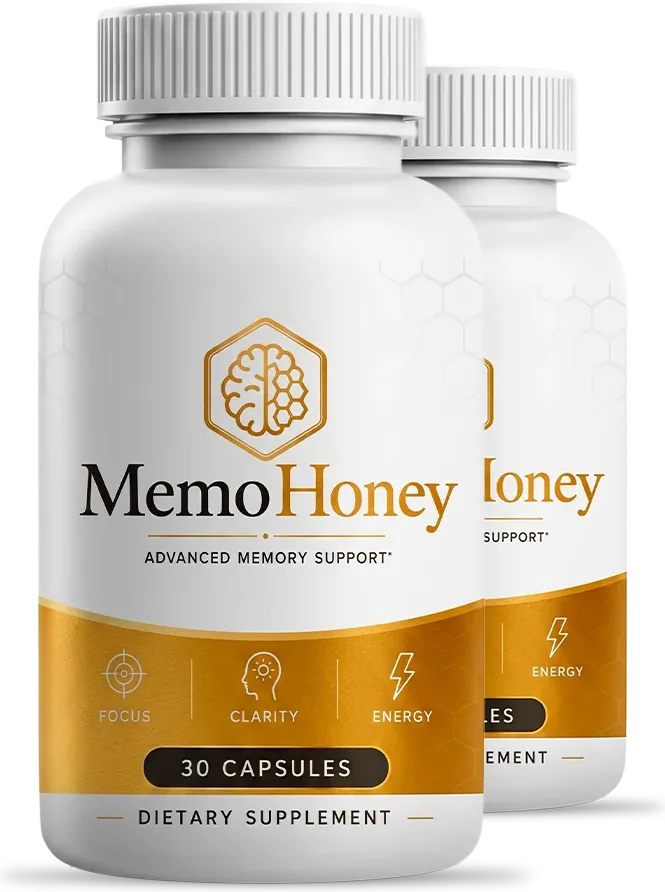
The front label prints "ADVANCED MEMORY SUPPORT*" with an asterisk that points to the FDA statement3. That is the seller's wording, and the FDA says such claims are not approved by the agency4.
NCCIH adds that supplements are often marketed for memory, and that there is no direct evidence that any supplement lowers the chance of Alzheimer's disease or dementia5.
So if you took a quiz, started a bottle and took the quiz again, a change in score would not tell you what caused it. Practice, mood, sleep and chance would all be in the mix.
03What does a doctor check that a quiz cannot?
A doctor can look for causes that a quiz cannot see, many of which a doctor can manage.
| Tool | What it can tell you | What it cannot |
|---|---|---|
| Home quiz or app | How you did on one day | Why, or whether anything is wrong |
| Doctor visit | Whether a treatable cause is likely | Nothing is guaranteed; more checks may follow |
| Retaking a quiz after a supplement | A second score | That the supplement caused any change |
NIA lists treatable causes that include head injury, thyroid, kidney or liver problems, medicine side effects, depression and anxiety, alcohol misuse, sleep problems, low vitamin B12 and poor diet6.
NCCIH names similar causes, such as depression, medicine reactions and thyroid, liver or kidney problems, and says not to delay seeing a provider about memory loss5.
04What should you do if a score worries you?
Book a visit with your doctor and bring what you noticed; do not wait to see whether the next quiz looks better.
NIA advises seeing a doctor for noticeable changes, or for problems that last more than a few weeks6. A short list helps the visit go further.
- What changed, and when you first noticed it.
- Examples, such as missed bills or repeated questions.
- Every medicine and supplement you take, with doses.
- How you have been sleeping and feeling.
- The date and score of any quiz, if you took one.
NIA also advises keeping a list of all medicines and supplements and sharing it with doctors and pharmacists7. If you take MemoHoney Capsules, put it on that list, and take a photo of the Supplement Facts panel3.
If a family member is the one worried, our who it's for page has a short section on that.
05Is it fair to expect a score change from a bottle?
No, it is not fair to expect one, because nothing we found links the seven panel lines to a memory score.
The NIH sources we cite describe arginine, citrulline and beta-alanine mainly in studies of exercise and athletic performance8, and niacin and calcium as nutrients9. None rates these ingredients for memory.
That is not a statement that the capsules do nothing. It is a statement that we cannot say, and that a quiz would be a poor way to find out. Our results page explains what a person can reasonably track instead, such as whether the routine feels easy to keep.
If you have a heart condition, take blood pressure medicine or a blood thinner, or have any known medical condition, ask your doctor or pharmacist before the first capsule. The label says the same for known conditions3. Prefer more reading? See our blog.
Safety: MemoHoney is sold for adults. Its label lists L-arginine, L-citrulline, beta-alanine, niacin and calcium, and says that pregnant or nursing women, anyone under 18 and anyone with a known medical condition should consult a physician first. Ask your doctor or pharmacist before use if you had a recent heart attack, take blood pressure medicine, a blood thinner or any other medicine, have kidney disease or have surgery planned. Never change a prescribed medicine on your own. Memory changes that worry you deserve a doctor visit first, because many causes can be found and dealt with.
Frequently asked questions
Does a memory test show whether MemoHoney works?
No. A quiz score reflects one day and many factors, and we found no study of MemoHoney itself to say what a score should do.
Can I use an online memory test to decide if I need MemoHoney?
No. A quiz is not a diagnosis. If your memory worries you, see a doctor before you take MemoHoney or any supplement.
Should I take a memory test before starting MemoHoney?
It is your choice, but a score cannot replace a doctor visit. Take any worry as a reason to book one first.
What if my memory test result is low and I already take MemoHoney?
Do not change any medicine on your own. Tell your doctor about the result and about MemoHoney, and bring the label photo.