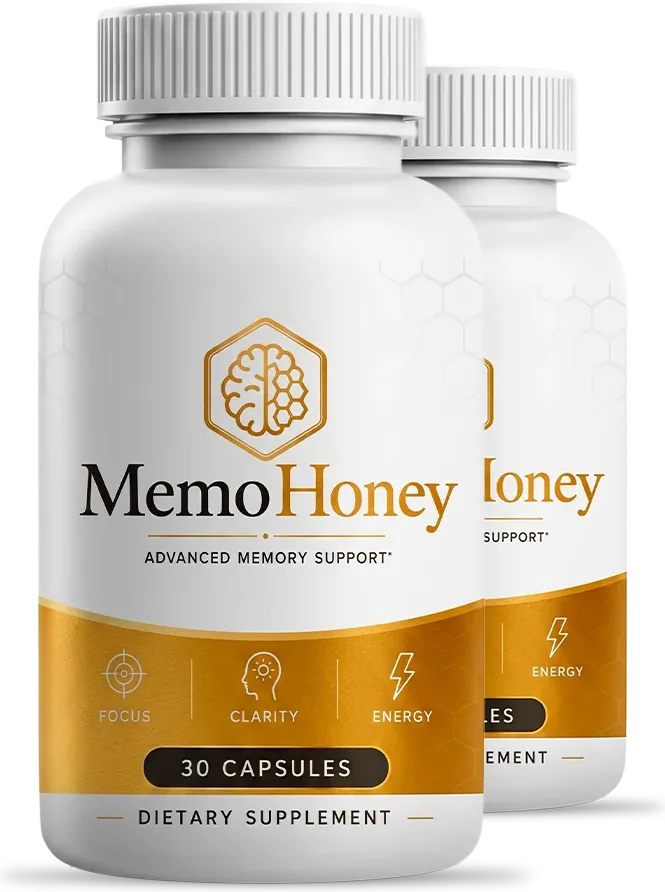
A MemoHoney Capsules niacin flush is not something we can rule in or out, because the label lists 7.5 mg NE of niacin per capsule but does not say which form1.
NIH says flushing usually starts around 30 to 50 mg or more of nicotinic acid, and that nicotinamide does not cause it2. This post lays out that gap in numbers, then shows how a second product can change your total. It builds on our niacin page.
01What is a niacin flush?
A niacin flush is a warm, red, sometimes itchy look of the skin, most often the face and neck, linked in the NIH fact sheets to nicotinic acid in higher amounts.
The NIH consumer sheet describes it as a known effect of the nicotinic acid form of vitamin B3, and says nicotinamide does not cause it3. The health professional sheet puts the usual starting point at about 30 to 50 mg or more of nicotinic acid2.
A flush can be confusing if you did not expect it. Separately, NIH sets an upper limit for niacin: the adult limit is 35 mg a day from supplements and fortified foods, and it applies to both forms2.
02How much niacin is in one MemoHoney capsule?
One capsule lists 7.5 mg NE of niacin, which the label gives as 47% of the Daily Value1.
The label does not say whether that niacin is nicotinic acid or nicotinamide1. That one missing word is the reason we cannot answer the flush question for you. If you want to know, the distributor's contact details are printed on the label1.
| Figure | Amount | Where it comes from |
|---|---|---|
| Niacin per capsule | 7.5 mg NE | Label1 |
| Usual flush starting point (nicotinic acid) | 30 to 50 mg or more | NIH2 |
| Adult upper limit, supplements and fortified foods | 35 mg a day | NIH2 |
| One capsule against the upper limit | About 21% | Our arithmetic |
By our arithmetic, 7.5 mg is about one quarter of 30 mg and about one sixth of 50 mg. That is a comparison of numbers, not a promise about how any person will feel.
03Why does the niacin form matter?
The form matters because only nicotinic acid is linked to flushing, and the panel names neither form.
If the niacin is nicotinamide, NIH says flushing does not occur3. If it is nicotinic acid, 7.5 mg sits well below the 30 to 50 mg range where flushing usually begins2. Either way, the label alone does not let us finish the sentence.
We found no study of MemoHoney itself, so there is no published account of how people react to this exact product. The seller's testimonials, supplied by the seller and not verified by us, do not mention flushing either way.
A useful habit is to note, in plain words, what you notice after any new supplement and when. That note helps a pharmacist far more than a guess. Niacin in food is a different matter from a supplement, and the NIH sheets describe flushing as a supplement effect, not something that comes from a plate of chicken or rice3.
04How can other products change your niacin total?
Other products can change your total a lot, because many multivitamins and fortified foods also contain niacin, and the upper limit counts all of them together.
Read each label you use and write down the niacin line. Add the numbers. Compare the total with the 35 mg limit, which counts supplements and fortified foods2.
- MemoHoney: 7.5 mg NE per capsule1.
- Your multivitamin: look for the niacin line and its serving size.
- Fortified cereal or bars: the Nutrition Facts panel lists niacin.
Ordinary food adds niacin too, but the limit is about supplements and fortified foods. Examples from NIH: chicken breast, 3 oz, has 10.3 mg, and brown rice, 1 cup, has 5.2 mg3. Those foods are not what the limit is about.
05When should you ask a doctor or pharmacist about niacin?
Ask before the first capsule if you take diabetes medicine or tuberculosis medicine, because NIH flags niacin in those situations.
NIH notes that nicotinic acid in high doses can raise blood glucose in people taking diabetes medicines, and that niacin can interact with the tuberculosis medicines isoniazid and pyrazinamide2. The MemoHoney amount is small, but only your own doctor or pharmacist can judge it against your list.
The label also says pregnant or nursing mothers, anyone under 18 and anyone with a known medical condition should consult a physician1. The same goes for anyone with kidney or liver disease or surgery planned. Never change, skip or stop a medicine because of a supplement. If a flush or any other reaction worries you, tell your pharmacist, and you can report a problem through FDA MedWatch4.
See also our safety page and side effects page.
Safety: MemoHoney is sold for adults. Its label lists L-arginine, L-citrulline, beta-alanine, niacin and calcium, and says that pregnant or nursing women, anyone under 18 and anyone with a known medical condition should consult a physician first. Ask your doctor or pharmacist before use if you had a recent heart attack, take blood pressure medicine, a blood thinner or any other medicine, have kidney disease or have surgery planned. Never change a prescribed medicine on your own. Memory changes that worry you deserve a doctor visit first, because many causes can be found and dealt with.
Frequently asked questions
Will MemoHoney cause a niacin flush?
We cannot say. The label lists 7.5 mg NE of niacin without naming the form, and NIH ties flushing to nicotinic acid at about 30 to 50 mg or more.
What type of niacin is in MemoHoney Capsules?
The Supplement Facts panel does not say whether it is nicotinic acid or nicotinamide. Only the distributor can answer that.
Is 7.5 mg of niacin in MemoHoney above the upper limit?
No. By our arithmetic it is about 21% of the 35 mg adult upper limit, but your other supplements and fortified foods count toward that limit too.
Who should ask a doctor before taking MemoHoney because of niacin?
People on diabetes or tuberculosis medicine, or with liver disease, should ask a doctor or pharmacist first. Do not change any medicine on your own.