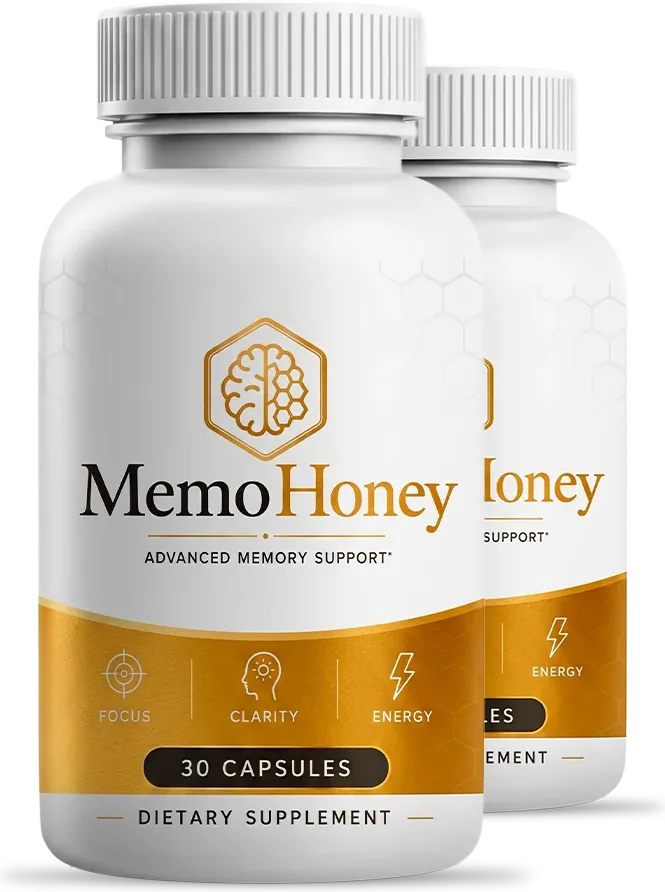
MemoHoney Capsules with a multivitamin is a combination the label does not address, so the useful step is to compare the two labels line by line and ask a pharmacist about what overlaps1.
The two lines most likely to overlap are niacin and calcium. This post shows how to add them up. It is not advice to start or skip either product. For the capsule's own numbers, see our label page.
We found no study of MemoHoney itself, and none of MemoHoney taken with a multivitamin.
01Which lines on the two labels can overlap?
Niacin and calcium are the two MemoHoney panel lines that most multivitamins also contain, so those are the ones to compare first1.
| Nutrient | One MemoHoney capsule | Adult reference figure |
|---|---|---|
| Niacin | 7.5 mg NE (47% DV) | RDA 16 mg NE men, 14 mg NE women; upper limit 35 mg from supplements and fortified foods2 |
| Calcium | 18 mg (1.5% DV) | DV 1,300 mg; upper limit 2,000 to 2,500 mg from all sources3 |
The panel gives the capsule amounts1. The reference figures come from NIH fact sheets4. Your multivitamin label will show its own niacin and calcium lines, and those are the numbers that matter for your sum.
Look at the unit as well. Niacin is printed as milligrams of niacin equivalents (NE) on the MemoHoney panel1. Some labels use a different unit or only a percentage, and a pharmacist can help you convert.
The percent Daily Value on any label is a quick guide to how a serving compares with a standard reference5. It is not a dose recommendation for you.
02How do you add up niacin from two products?
Add the niacin on each label, plus any fortified foods, and compare the total with the 35 mg adult upper limit that NIH sets for supplements and fortified foods4.
- Write down 7.5 mg for one MemoHoney capsule1.
- Find the niacin line on your multivitamin and write its amount.
- Add niacin from fortified cereal or drinks, if you use them.
- Compare the sum with 35 mg.
An example with made-up numbers: if a multivitamin listed 20 mg of niacin, our arithmetic gives 27.5 mg with one capsule. That is not a real product, only a way to show the sum.
The limit does not apply to niacin taken under medical supervision4. It also does not count niacin that occurs naturally in food. The panel does not say which form of niacin the capsule uses1, and flushing depends on the form4.
03Does the calcium in two products matter?
Calcium from the capsule is small, so the larger share of your total will usually come from the multivitamin, any calcium pill and your food3.
The 18 mg on the panel is about 1.4% of the 1,300 mg Daily Value by our arithmetic; the label prints 1.5%1. NIH sets the upper limit at 2,500 mg a day for ages 19 to 50 and 2,000 mg for 51 and over, counting all sources6.
Calcium carbonate, the form on the panel, is absorbed best with food6. If you take calcium for bone health on a doctor's advice, do not change that plan because of this post.
If your multivitamin or calcium pill already lists a high calcium amount, the 18 mg in a capsule changes the total very little. The sum is still worth writing down, because a record helps your pharmacist.
04What else should you check before combining?
Check your other products for the same amino acids, and tell a pharmacist about every medicine and supplement, as NIA advises7.
- Arginine, citrulline or beta-alanine on any sports or energy product label.
- Niacin if you take tuberculosis medicine or diabetes medicine: NIH names interactions with both4.
- Anything you take for blood pressure, blood thinning or kidney health.
NIH and MedlinePlus list arginine interactions with blood pressure medicine, blood thinners, diabetes medicine, sildenafil and potassium-sparing diuretics8. Our medicines page goes through them.
Do not change, skip or stop any prescribed medicine because of what you read here.
05Who should ask before taking both?
Anyone with a medical condition, on regular medicine, pregnant, nursing or under 18 should ask a doctor or pharmacist before combining products, as the label says1.
Our safety page lists the groups. Bring both bottles to the pharmacy, or photos of both Supplement Facts panels. A pharmacist can read them side by side in minutes.
Keep the list current. When a product changes, or you add a new one, update the list and share it at your next visit. NIA recommends this habit for everyone who takes more than one product7.
If you started a multivitamin because of worries about memory, see a doctor about the worry first. NIA says many causes of memory problems are treatable, including low vitamin B12 and medicine reactions9.
Safety: MemoHoney is sold for adults. Its label lists L-arginine, L-citrulline, beta-alanine, niacin and calcium, and says that pregnant or nursing women, anyone under 18 and anyone with a known medical condition should consult a physician first. Ask your doctor or pharmacist before use if you had a recent heart attack, take blood pressure medicine, a blood thinner or any other medicine, have kidney disease or have surgery planned. Never change a prescribed medicine on your own. Memory changes that worry you deserve a doctor visit first, because many causes can be found and dealt with.
Frequently asked questions
Is it safe to take MemoHoney Capsules with a multivitamin?
We cannot say, and the label does not address it. Compare the niacin and calcium lines on both labels and ask a pharmacist.
How much niacin do MemoHoney and a multivitamin add up to?
MemoHoney lists 7.5 mg per capsule. Add the amount on your multivitamin label and compare the sum with the 35 mg adult upper limit for supplements and fortified foods.
Does MemoHoney replace a multivitamin?
No claim of that kind is made on the label, and we make none. The panel lists seven lines, and a multivitamin lists many more nutrients.
Should I take MemoHoney and my multivitamin at the same time of day?
The label gives no advice on that, so ask your pharmacist. The label does say to take one capsule daily with 8 oz of water.